
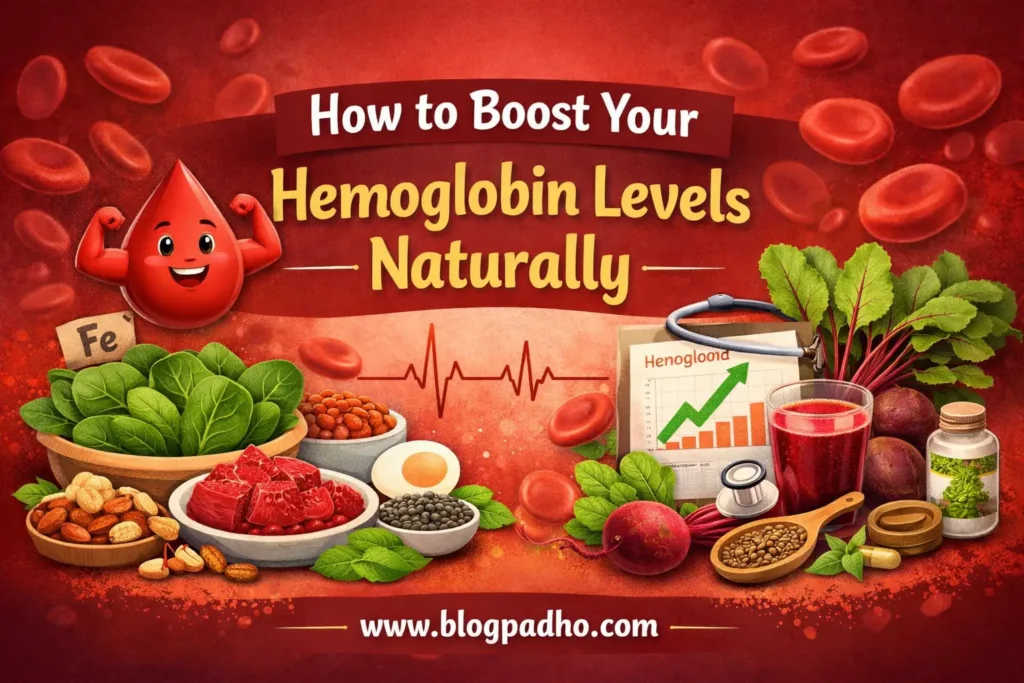
Boost Your Hemoglobin Levels Naturally
Healthy haemoglobin is one of the secrets of remaining energetic, immunologic, and physically fit. Haemoglobin transports oxygen in the lungs to all the cells. When it decreases, most people feel fatigued, lightheaded, or weak. Learning how to increase hemoglobin naturally through diet and lifestyle changes can help restore balance and prevent long-term health complications without relying solely on medication.
Understanding the Importance of Haemoglobin
Haemoglobin ensures the smooth operation of the body by attaching oxygen in the lungs and transporting it to the muscles, organs, and tissues. The low levels imply that the body is unable to perform optimally, which causes anemia and chronic fatigue. Understanding why levels decline and being able to notice the early warning signs will enable you to do something before things get out of control. Awareness of how to increase hemoglobin is particularly important for growing children, women, and elderly individuals who are more vulnerable to deficiencies.
Nutritional Approach: Increase Haemoglobin Food
The greatest weapon of increasing hemoglobin is food. Consume nutrient-dense foods that provide the raw materials used in the production of red-blood cells. Increase hemoglobin food options include leafy green vegetables, whole grains, pulses, and nuts, which supply iron and essential minerals. Foods such as lean meat, eggs, and fish provide the body with easily accessible iron. A well balanced diet is one that gives consistent gains without drastic peaks.
Iron-Rich Foods: Food to Increase Hemoglobin
Haemoglobin synthesis depends on iron. The lack may reduce the production of red-blood-cells and leave you feeble and fatigued. Lentils, beans, tofu, dates, jaggery are all good plant options. Animal iron is found in high quality in red meat, poultry, and liver. Combining these meals with vitamin-C fruit enhances the absorption and you maintain levels healthy in the long run. Choosing the right food to increase hemoglobin helps maintain healthy blood levels over time.
The Role of Folate and Vitamin B12
Folate and vitamin B12 play an essential role in the development of normal red cells and in the prevention of abnormal cell formation. Folate aids in cell division and DNA formation, whereas B12 helps to achieve proper maturation. Deficiency may decrease haemoglobin and result in nerve issues. Your needs can be satisfied by foods such as bananas, avocados, dairy, and fortified cereals. Including these nutrients regularly complements other dietary steps for how to increase hemoglobin naturally and safely.
Hydration and Its Impact on Blood Health
Being hydrated maintains a good circulation and transport of oxygen. Dehydration raises blood viscosity, slows down the delivery and fatigates. Drink sufficient water daily to maintain the working ability of the red cells. Hydration is also provided by fresh fruit juices and herbal teas. Adequate water intake enhances the effectiveness of increase hemoglobin food by allowing nutrients to be absorbed and circulated efficiently throughout the body.
Lifestyle Habits to Support Healthy Haemoglobin
Hemoglobin is greatly influenced by healthy habits. Exercise helps to stimulate cell production and enhance oxygen consumption. Limit alcohol and avoid smoking to prevent nutrient absorption. Hormones that control blood health are maintained by good sleep and stress control. These habits, when paired with proper nutrition, allow you to use food to increase haemoglobin levels and remain healthy in the long run.
Natural Supplements and Herbal Remedies
Other than diet and habit, low haemoglobin can be assisted with natural aids. Traditional ones are beetroot juice, amla, blackstrap molasses, and dates. In extreme situations, physicians can recommend iron pills. Apply these remedies in a reasonable manner. When chosen wisely, they can enhance results alongside dietary methods for how to increase hemoglobin without adverse effects.
Regular Health Checkups
Regular blood tests monitor haemoglobin and spot deficiencies. The progress tracking helps to ensure that the change in diet and lifestyle is effective and when the changes are necessary. Pregnant women and chronic patients are particularly vulnerable to guidance. Understanding test results empowers people to select appropriately increase hemoglobin food and maintain optimal health through informed choices.
Conclusion
To increase haemoglobin levels, a holistic method is mandatory: diet, water balance, healthy lifestyle, and frequent check-ups. The combination of iron-containing foods, vitamins and traditional remedies helps in the production of red-cells. Symptoms such as fatigue and weakness can be reduced with patience and awareness. By choosing the right food to increase hemoglobin and maintaining a balanced lifestyle, individuals can support long-term vitality and overall well-being.